

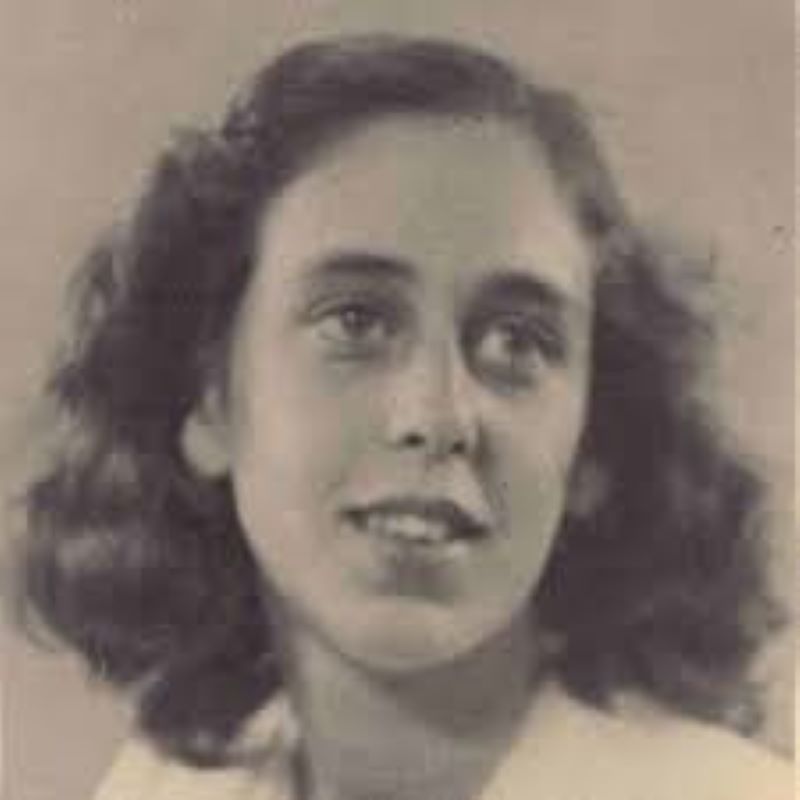
Jacqueline van Maarsen is a name forever intertwined with the life of Anne Frank, the young Jewish girl whose diary became one of the most important personal accounts of the Holocaust. As one of Anne’s closest childhood friends, Jacqueline’s life has been shaped by her deep connection to Anne’s story and her own role in preserving Anne’s memory for future generations. Over the years, Jacqueline has shared her story, offering unique insights into the friendship she shared with Anne before the Frank family went into hiding in 1942.
In this article, we will explore Jacqueline van Maarsen’s early life, her friendship with Anne Frank, her life during and after World War II, her career and advocacy, and the lasting legacy she has built in the field of Holocaust education and remembrance.
Early Life and Background
Jacqueline van Maarsen was born on January 30, 1929, in Amsterdam, Netherlands, into a family that was shaped by both Jewish and French Christian heritage. Growing up, she lived in a neighborhood where cultural and religious diversity was a key part of her early experiences. Her family faced the same challenges as many Jewish families in the years leading up to World War II, including the escalating discrimination and persecution imposed by the Nazi occupation of the Netherlands.
Despite these difficult times, Jacqueline’s early life was filled with love and a sense of security, largely due to her supportive parents. She developed a close-knit bond with her family and, by the early 1940s, attended the Jewish Lyceum, a school for Jewish children, where she first met Anne Frank. The two formed an instant connection, and their friendship blossomed during the challenging years of war.
While Jacqueline’s life was marked by significant personal hardship during the Nazi occupation, it was the deep friendship she formed with Anne that would shape her path forward. Jacqueline would later share her memories of Anne and their time together, ensuring that their story would live on, even as the horrors of war unfolded around them.
Growing Up in Amsterdam and Meeting Anne Frank
In the early 1940s, Amsterdam was a city under the shadow of Nazi occupation. The once-thriving Jewish community in the city faced increasing restrictions, with Jews forced to wear identifying yellow stars and segregated into specific schools. Jacqueline, like many other children, was forced to navigate this oppressive and dangerous environment, but it was during this time that she met Anne Frank.
At the Jewish Lyceum, where both Jacqueline and Anne were enrolled, their bond quickly grew. Despite the societal pressures around them, the two girls found solace and joy in their friendship. They often shared their dreams, aspirations, and love of reading. It was at this school that Anne began writing the diaries that would later be known worldwide, capturing the thoughts and emotions of a young girl living in hiding.
Jacqueline and Anne’s relationship was one of mutual respect and intellectual companionship. Jacqueline often described Anne as a highly curious and intelligent girl, one who was not only interested in the world around her but also deeply introspective and philosophical. Their bond formed the foundation for what would become one of the most poignant friendships in history, giving Jacqueline a front-row seat to the personal thoughts and experiences of a girl who would later become a symbol of the Holocaust’s tragic toll.
Friendship with Anne Frank
The Bond Between Anne and Jacqueline
The bond between Anne Frank and Jacqueline van Maarsen was unique and special. Though their lives would soon take different paths due to the war, their friendship marked a crucial chapter in Anne’s early years. They spent many hours together at school and during after-school activities, engaging in deep conversations and sharing their dreams. Jacqueline later reflected that Anne was always the more serious and philosophical of the two, often writing in her diary about topics that would seem beyond her years.
Anne described Jacqueline as her best friend in her famous diary, calling her “Jopie.” She wrote about their time spent together at school, where they shared similar intellectual interests. Jacqueline was a grounding influence for Anne, offering support and companionship during their time in the increasingly dangerous world of Nazi-occupied Amsterdam.
Though their time together was cut short when Anne and her family went into hiding, the friendship they shared continued to be a source of deep emotional connection for Jacqueline throughout her life. The memories of their moments together, preserved in both Anne’s diary and Jacqueline’s own recollections, have played a critical role in remembering Anne Frank as not just a victim of the Holocaust, but as a vibrant young girl with a bright future, full of potential.
Jacqueline’s Role in Anne Frank’s Life and Diary
Jacqueline van Maarsen played an important, though often understated, role in Anne Frank’s early life and writings. While Anne’s diary has become a global symbol of the human cost of war and genocide, it is often overlooked that Anne’s writings also reflected the impact of her friends and family. Jacqueline was one of the few people who had the privilege of knowing Anne in her youth and understanding the context behind her words.
Anne’s diary, which was eventually published under the title The Diary of a Young Girl, includes many references to Jacqueline, highlighting the depth of their friendship and how much it meant to Anne during their time together. Jacqueline’s connection to Anne helped bring those diary entries to life, allowing her to later offer unique insights into Anne’s thoughts and feelings during their formative years.
Life During and After World War II
Jacqueline’s life, like Anne’s, was profoundly impacted by World War II. When Anne and her family went into hiding in 1942, Jacqueline’s own family also faced persecution. However, Jacqueline’s family was able to survive the war in part due to the actions of her mother, who managed to keep the family’s Jewish identity concealed by falsifying documents and making strategic decisions to evade the Nazis.
While Jacqueline was not in hiding like Anne, the war still affected her deeply. She learned of Anne’s death in the Bergen-Belsen concentration camp after the war ended, and the loss was a blow that shaped the rest of her life. Jacqueline, like many others, was left with the question of how to keep the memory of her dear friend alive.
After the war, Jacqueline went on to become an author, writing about her experiences with Anne and their friendship. She also dedicated herself to educating others about the Holocaust, ensuring that Anne’s memory would never be forgotten. Jacqueline became an advocate for Holocaust education, speaking at schools and events to ensure that future generations would learn about the horrors of the Holocaust, the importance of remembering Anne’s story, and the lessons of tolerance and peace.
Career and Writing
Jacqueline van Maarsen’s career in writing and education allowed her to honor Anne Frank’s memory while also sharing her own perspective on their friendship. She wrote several books about Anne, including Anne and Jopie, which provided a firsthand account of their time together and the bond they shared.
In addition to her work as an author, Jacqueline became an active lecturer and advocate for Holocaust education, sharing her story and Anne’s legacy with audiences around the world. Through her lectures, she taught about the dangers of anti-Semitism, prejudice, and racial intolerance, and worked to ensure that Anne’s life and words would continue to inspire future generations.
Advocacy and Education
Jacqueline was deeply committed to preserving the memory of Anne Frank and educating the world about the atrocities of the Holocaust. She used her personal experiences to highlight the importance of tolerance, compassion, and human rights. Her work in Holocaust education became one of her life’s greatest contributions, helping to keep Anne’s story alive while also combating the rising tide of hate and prejudice.
She regularly spoke at schools, museums, and conferences, offering a unique perspective on Anne’s life and the friendship that shaped her early years. Jacqueline’s role in preserving Anne’s legacy extended far beyond personal memoirs, as she worked tirelessly to ensure that Anne’s voice continued to resonate with the world.
Legacy and Impact
Jacqueline van Maarsen’s legacy is one of dedication to truth, education, and humanity. Her efforts to keep Anne’s memory alive have ensured that Anne Frank remains a symbol of both the human spirit and the atrocities of war. Jacqueline’s work as a Holocaust educator continues to influence individuals and communities worldwide, and her personal connection to Anne’s story has made her one of the most important figures in Holocaust remembrance.
In a broader sense, Jacqueline’s legacy is a reminder of the importance of friendship, especially in times of darkness and persecution. Her commitment to preserving history and sharing the lessons of Anne’s life will continue to inspire future generations to fight against hatred and oppression.
Conclusion
Jacqueline van Maarsen’s life is a testament to the power of memory, education, and human connection. As Anne Frank’s best friend, Jacqueline’s unique insights into Anne’s life provide an intimate perspective on one of the most important figures of the 20th century. Through her career as an author and advocate, Jacqueline has ensured that Anne’s legacy remains as relevant today as it was when the diary was first published. By sharing her memories and lessons learned from Anne, Jacqueline has made a lasting impact on Holocaust education and on the world’s understanding of Anne Frank’s story.
