
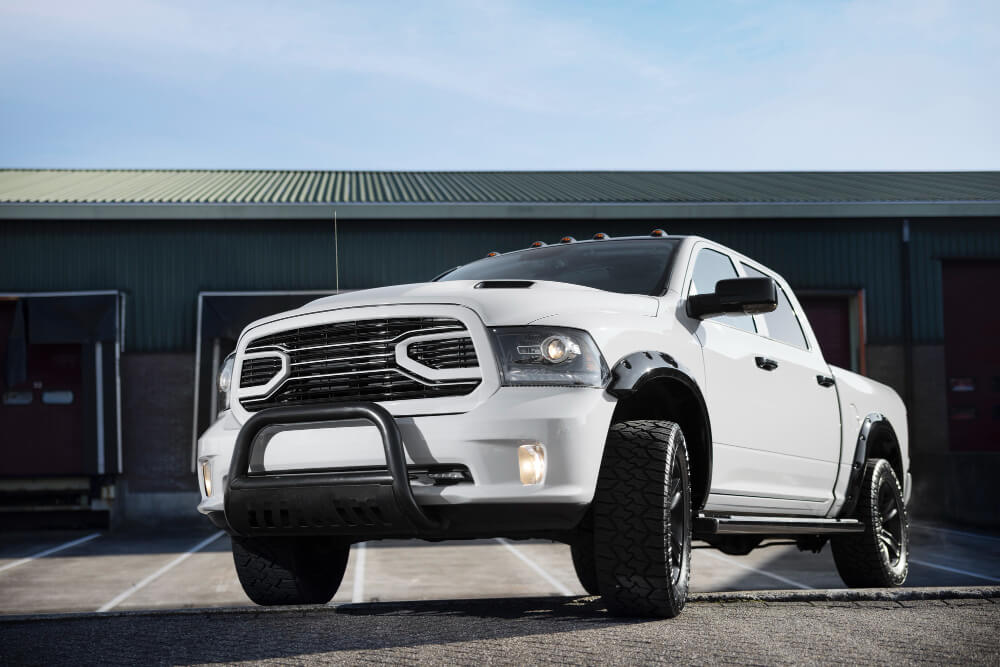
RAM, a prominent name in the automotive industry, is widely recognized for its rugged trucks, vans, and commercial vehicles. Known for durability, performance, and innovation, RAM has become a favorite choice among consumers who need reliable vehicles for work, recreation, or daily driving. Despite its long-standing reputation, some rumors have emerged online asking if RAM is going out of business. This article explores RAM’s history, current operations, challenges, and future prospects to provide a clear picture of the brand.
History and Growth of RAM
RAM was originally part of Dodge but became a standalone brand in 2009 under the Fiat Chrysler Automobiles (now Stellantis) umbrella. The brand focused primarily on pickup trucks and commercial vehicles, capitalizing on America’s growing demand for utility vehicles.
RAM trucks quickly earned a reputation for power, towing capacity, and innovative features like advanced safety systems and fuel-efficient engines. Over the past decade, the brand expanded its lineup to include heavy-duty trucks, the RAM 1500, 2500, and 3500 series, as well as commercial vans. The combination of rugged performance and stylish design helped RAM become a serious competitor to Ford, Chevrolet, and GMC in the pickup market.
Is RAM Going Out of Business?
No, RAM is not going out of business. The brand continues to operate as a key division within Stellantis, focusing on trucks, commercial vans, and specialty vehicles. While the automotive industry faces supply chain challenges, rising material costs, and changing consumer demands, RAM has maintained a stable market presence. Recent announcements about new models, electric vehicle concepts, and technology upgrades indicate that the brand is actively investing in its future rather than shutting down.
What is RAM?
RAM is primarily a manufacturer of pickup trucks and commercial vehicles designed for durability, performance, and utility. Its vehicles are used by a wide range of customers—from construction companies and small business owners to outdoor enthusiasts and daily commuters.
Some of RAM’s most popular models include:
- RAM 1500 – Known for comfort, towing capacity, and advanced tech features
- RAM 2500/3500 Heavy-Duty – Built for extreme workloads and commercial purposes
- RAM ProMaster and ProMaster City – Vans designed for delivery, trades, and business needs
The brand is recognized for combining robust engineering with modern technology, making its vehicles versatile for both work and lifestyle purposes.
Current Strategy of RAM
RAM’s current strategy revolves around innovation, customer satisfaction, and expansion into new market segments. Key elements include:
- Product Innovation – Introducing fuel-efficient engines, advanced safety systems, and connected vehicle technology.
- Electrification – Launching electric truck concepts and planning for hybrid or fully electric models.
- Customer Engagement – Strengthening loyalty programs and enhancing dealer experiences to attract long-term buyers.
- Commercial Market Focus – Offering tailored solutions for businesses and trades, including fleet programs and customized vehicles.
This strategy aims to maintain RAM’s competitive edge while adapting to changing consumer preferences and stricter environmental regulations.
RAM Financial Hurdles
Like many automotive brands, RAM has faced financial challenges, primarily due to supply chain disruptions, rising raw material costs, and fluctuating demand for trucks and vans. Additionally, global economic conditions and increased competition from other automakers have put pressure on sales and profit margins.
Despite these hurdles, RAM has maintained stable revenues, largely thanks to its loyal customer base, strong brand recognition, and strategic investments in new products. By focusing on innovation and operational efficiency, the brand continues to navigate these financial challenges successfully.
Impact of RAM on Customers
RAM has had a significant impact on its customers, particularly those who require reliable vehicles for work, recreation, or family use. Its trucks and vans are known for:
- Durability and Longevity – Vehicles built to last and withstand heavy use.
- Performance – Strong towing and hauling capabilities, appealing to commercial and personal buyers alike.
- Comfort and Technology – Modern interiors, infotainment systems, and safety features that enhance the driving experience.
- Customer Loyalty – RAM owners often return to the brand for their next vehicle due to satisfaction with previous purchases.
By consistently meeting consumer expectations, RAM has created a strong emotional connection with its audience, contributing to its long-term success.
Future Prospects of RAM
The future of RAM looks promising. The brand is focusing on electrification, advanced technology integration, and expanding into new markets. Upcoming electric truck models and hybrid options indicate that RAM is preparing for the growing demand for environmentally friendly vehicles.
Additionally, investments in customer experience, dealer networks, and commercial vehicle solutions suggest that RAM will remain a strong player in both the consumer and business vehicle markets. Its blend of innovation, reliability, and brand loyalty provides a solid foundation for continued growth.
Conclusion
RAM is not going out of business. It continues to be a leading brand in trucks and commercial vehicles, offering high-quality products for a wide range of customers. With a strong history, innovative strategies, loyal customer base, and plans for electrification, RAM is well-positioned to remain a dominant force in the automotive industry for years to come. For drivers seeking dependable, high-performance vehicles, RAM remains a trusted choice.