

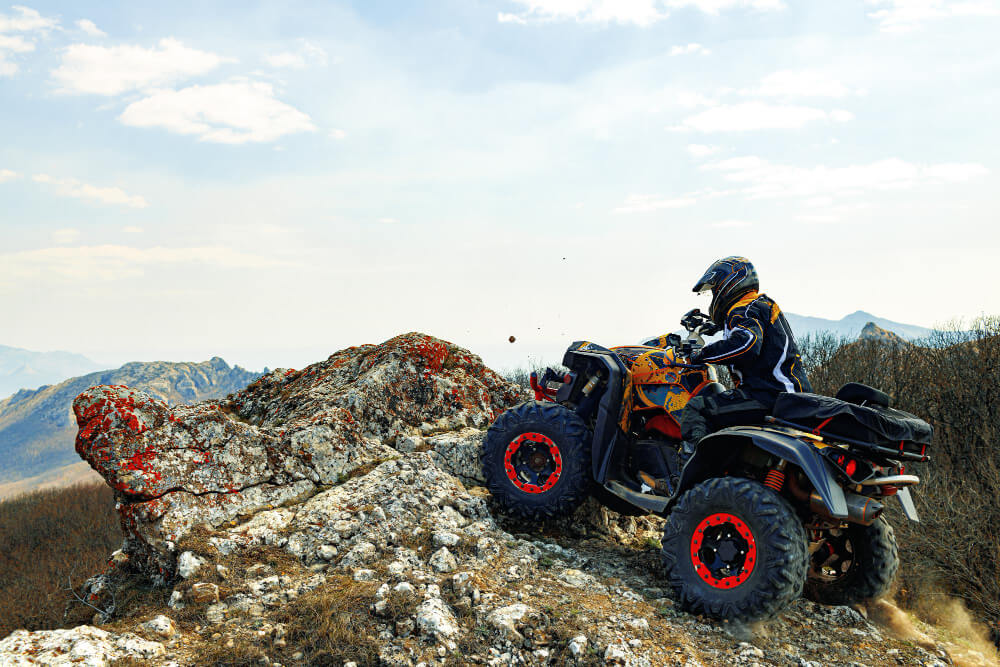
Polaris Inc. is a well-established American brand known for manufacturing power-sports vehicles and recreational machines. Since its inception in 1954, Polaris has grown to become a key player in the outdoor recreation industry, offering products such as snowmobiles, ATVs, motorcycles, and boats. This article explores the history of Polaris, the company’s current situation, its financial performance, store operations, competitors, and what the future may hold for the brand.
A Little Background About Polaris
Polaris was founded in 1954 in Roseau, Minnesota, by Edgar Hetteen and his partners, focusing initially on snowmobiles. Over time, the company expanded its product offerings to include off-road vehicles (ORVs), motorcycles, boats, and parts/accessories. Polaris grew rapidly by catering to the needs of outdoor enthusiasts, with a focus on performance and durability. The introduction of the RANGER side-by-side vehicle in 1997 marked a significant turning point, allowing the company to tap into new markets. By 2017, Polaris had surpassed $5 billion in annual sales. Today, Polaris continues to innovate and remains a leader in the power-sports industry.
Is Polaris Going Out of Business?
Polaris is not going out of business. While the company has faced challenges, including restructuring efforts and a slowdown in certain segments, it remains financially viable and operational. In fact, Polaris is undergoing strategic changes to refocus on its core products, particularly off-road vehicles and marine products, while divesting from the motorcycle segment. These shifts are part of a long-term strategy to strengthen the brand and adapt to changing market conditions, not a sign of impending closure.
What Is Polaris?
Polaris is primarily a manufacturer of power-sports vehicles, including:
- Snowmobiles: A foundational product line that made Polaris a household name in the power-sports industry.
- Off-road vehicles (ORVs): Including ATVs and side-by-side vehicles like the RANGER and RZR, which are popular in both recreational and utility markets.
- Motorcycles: Through the Indian Motorcycle brand, Polaris has expanded into the motorcycle market, though it is now restructuring this segment.
- Marine products: Including boats, marine accessories, and aftermarket parts.
Polaris has a reputation for high-performance products designed for outdoor adventures, from extreme weather conditions to rugged terrains.
How Has Polaris Performed Financially in Recent Years?
In recent years, Polaris has faced some financial hurdles, with a decline in certain sectors. For example, in Q2 2025, the company reported a 6% drop in sales, mainly due to challenges in the motorcycle and ORV segments. However, Polaris remains profitable, with a strong balance sheet and growth in key areas like its marine and off-road vehicle categories. The company has also focused on streamlining its operations and diversifying its portfolio to manage these fluctuations. According to recent reports, Polaris’s revenue increased by nearly 7% year-on-year in Q3 2025, signaling resilience despite market pressures.
How Many Polaris Locations Are Currently Operational?
Polaris does not rely heavily on a direct retail footprint but operates through a vast network of dealers and authorized retailers. The company has several manufacturing facilities across the U.S. and globally, but the number of Polaris-operated retail locations is not clearly stated. Polaris primarily reaches consumers through its dealer network, which spans across the world, providing access to its products and services.
Who Are Polaris’s Main Competitors?
Polaris competes with several major players in the power-sports and recreational vehicle market. Key competitors include:
- BRP Inc. (maker of Can-Am ATVs, side-by-sides, and Ski-Doo snowmobiles).
- Harley-Davidson (competing in the motorcycle market with its own iconic range).
- Honda (in both motorcycles and off-road vehicles).
- Yamaha (another player in the ATV and motorcycle sectors).
These brands compete with Polaris in various segments, offering similar products that appeal to outdoor enthusiasts.
Future Outlook for Polaris
The future for Polaris appears cautiously optimistic. The company’s focus on off-road vehicles, marine products, and performance-driven recreational machines aligns with strong consumer demand in the outdoor space. Polaris’s restructuring efforts, including the sale of its motorcycle segment, should help it concentrate resources on higher-growth areas. Additionally, the company’s investment in electric vehicle technologies could provide new growth opportunities as the outdoor recreation industry evolves. However, challenges such as economic downturns, supply chain issues, and competition will require careful navigation. Overall, Polaris is well-positioned for continued success if it executes its strategy effectively.
Conclusion
Polaris Inc. has a rich history of growth and innovation, becoming a leader in the power-sports industry. Despite facing some financial setbacks and restructuring, Polaris is not going out of business. The company’s strategic focus on off-road vehicles, marine products, and performance-driven machines positions it well for the future. While it faces competition from brands like BRP and Yamaha, Polaris’s ability to adapt and evolve will likely ensure its continued relevance in the power-sports industry for years to come.
- Also Read:
- Is Aero Precision Going Out of Business?
- Is TackleDirect Going Out of Business?
- CarQuest Going Out of Business
